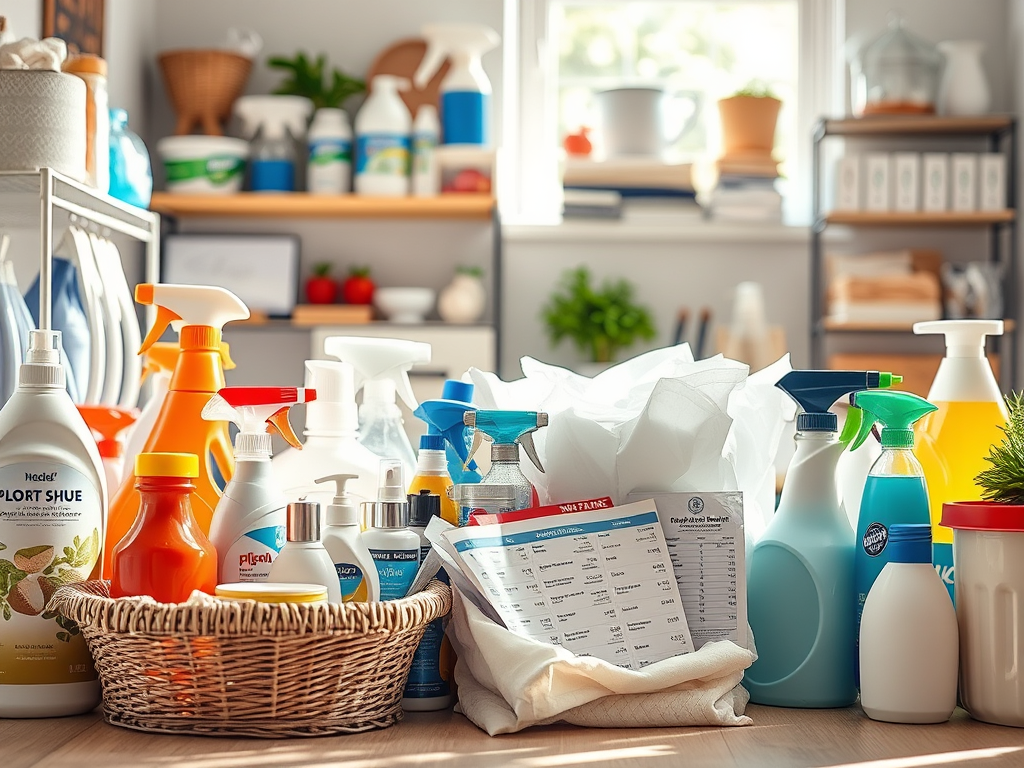
Most people focus on saving money on big purchases. Phones. Appliances. Furniture. But the real budget drain often comes from something much smaller: everyday household items.
These are the products we buy repeatedly, rarely question, and almost never track.
And over time, they cost far more than we realize.
The Hidden Cost of “Regular” Purchases
Household items feel routine:
- Cleaning supplies
- Paper products
- Personal care items
- Baby and family essentials
Because we buy them often, we stop thinking about the price. We assume the cost is fixed.
It’s not.
Prices change frequently, packaging shrinks, and convenience pricing quietly increases the total.
Smaller Packages Often Cost More
One of the most common pricing tricks is packaging size.
Smaller packages:
- Look cheaper upfront
- Feel easier to grab
- Cost more per unit
When you compare price per ounce, count, or load, larger or bundled options are often significantly cheaper—even if the shelf price looks higher.
Brand Loyalty Can Be Expensive
Brand recognition is powerful. Many shoppers stick with the same products out of habit or trust.
But store brands and alternative options:
- Often use similar ingredients
- Meet the same standards
- Cost noticeably less
Blind loyalty can quietly inflate your monthly spending without improving quality.
Convenience Buying Adds Up Fast
Buying household items:
- At the last minute
- From the nearest store
- Without price comparison
usually means paying more.
Online ordering, bulk buying, and planned restocking cycles can significantly reduce costs—without sacrificing quality.
Why Tracking These Items Matters Most
Because these purchases repeat.
Saving even a small amount per item:
- Multiplies over time
- Lowers monthly expenses
- Frees money for bigger priorities
The biggest savings often come from boring items, not flashy purchases.
Smarter Household Shopping Starts With Awareness
You don’t need extreme couponing or complicated systems.
Just:
- Compare unit prices
- Question automatic purchases
- Pay attention to patterns
When you do, household shopping becomes intentional instead of invisible.
The next time you restock, take a moment to compare.
The savings may surprise you
 shoppersdigest.blog
Leave a comment